Easy Christmas Crochet Patterns: Step-by-Step Tutorials
A thick, scrubby cotton dishcloth brings a practical bit of warmth to the kitchen sink during the busy holiday season. These squares sit comfortably in the hand with a dense, bumpy surface that makes short work of baked-on casserole pans or messy countertop spills. Beginners find these projects approachable because they rely on simple row-by-row construction that requires no shaping or complex counting. You will learn to manage tension while working with heavy cotton yarn and master a basic border that keeps edges from curling. It is a quiet, rhythmic way to unwind between baking cookies and wrapping presents.
Why You’ll Love This Pattern
This classic crochet dishcloth is designed with a durable, non-stretchy cotton yarn that holds up well against repeated scrubbing. It features a textured stitch pattern that provides just enough friction to lift stuck-on food without scratching delicate surfaces like non-stick pans or glass. You can complete one of these cloths in about forty-five minutes, making it a productive way to use up leftover yarn from larger projects. Its simple construction allows for rhythmic, meditative stitching that is ideal for evenings on the sofa.
I managed to whip up three of these in a single weekend. They hold their shape perfectly after multiple cycles through the washing machine.
— Sarah, home crafter
Pattern Overview & Skill Level
- Skill Level: Beginner
- Approximate Time: 45 minutes to 1 hour
- Construction: Worked in flat rows using basic chain and single crochet stitches, finished with a simple border.
- Finished Dimensions & Sizing: Approximately 8 inches by 8 inches.
Materials & Supplies Needed
- Yarn: Worsted weight #4, 100% cotton, approximately 60 yards per dishcloth. Cotton is necessary for its absorbency and heat resistance.
- Hook Size: 5.0 mm (H-8) crochet hook.
- Notions: Tapestry needle for weaving in ends, scissors, and an optional stitch marker for counting row starts.
- Safe yarn substitutions: You may use a cotton-linen blend for increased durability, though this will result in a slightly stiffer fabric. Avoid acrylic yarns, as they are not absorbent and will melt if they touch a hot pan.
Stitch Guide & Abbreviations (US Terms)
- ch: chain
- st/sts: stitch/stitches
- sc: single crochet
- sk: skip
- sl st: slip stitch
- FO: fasten off
- Turning chain: ch 1 at the start of a row, which does not count as a stitch.
Step-by-Step Pattern Instructions
Main Body
- Foundation: Ch 31.
- Row 1: Sc in the second ch from the hook and in each ch across. (30 sts)
- Row 2: Ch 1, turn. Sc in each st across. (30 sts)
- Rows 3–30: Repeat Row 2 until the piece measures 8 inches square.
Border
After completing Row 30, do not fasten off. Rotate the piece to work along the side edge.
- Round 1: Ch 1, work 30 sc evenly down the side, 3 sc in the corner, 30 sc along the bottom foundation chain, 3 sc in the corner, 30 sc up the second side, 3 sc in the corner, 30 sc across the top, 2 sc in the final corner.
- Finish: Join with a sl st to the first sc of the round. FO and weave in all loose ends securely.
Care & Washing Instructions
- Machine wash your dishcloth in warm water on a gentle cycle to prevent fraying.
- Tumble dry on low heat or lay flat on a drying rack to retain the square shape.
- If the cloth becomes distorted after drying, dampen it slightly and pull the corners until it sits flat.
Pro Tips & Common Mistakes to Avoid
- Keep your tension consistent throughout the rows to ensure the edges remain straight rather than wavy. If you notice the fabric pulling inward, your tension is likely too tight; try moving up half a hook size.
- Place a stitch marker in the first stitch of every row. This prevents you from accidentally skipping the final stitch and losing count, which would eventually turn your square into a trapezoid.
- Weave your ends back and forth through the stitches at least three times in different directions to ensure they do not unravel during heavy-duty scrubbing.
- To adjust the size, add or subtract stitches from your foundation chain in multiples of one. Keep in mind that adding width will require additional yardage, so ensure you have enough yarn to complete the larger square.
Frequently Asked Questions
Can I use a larger hook size for this project?
Using a larger hook will result in a looser, more open fabric. While this works well for a decorative cloth, it will be less effective for scrubbing because the gaps between stitches will be quite wide.
Is this pattern suitable for complete beginners?
Yes, this is an excellent starter project. It uses only the single crochet stitch and requires basic row counting, which helps build the foundational skills needed for more complex patterns.
Can I sell the dishcloths I make from this pattern?
You may sell finished items made from this pattern as long as you credit the design. Please use your own original photographs for any product listings rather than copying the images provided here.
Why is cotton the recommended fiber?
Cotton is a plant-based fiber that absorbs liquid efficiently. It is also heat-safe, meaning it can be used to handle warm dishes or wiped across hot surfaces without the risk of the plastic fibers melting or releasing chemical odors.
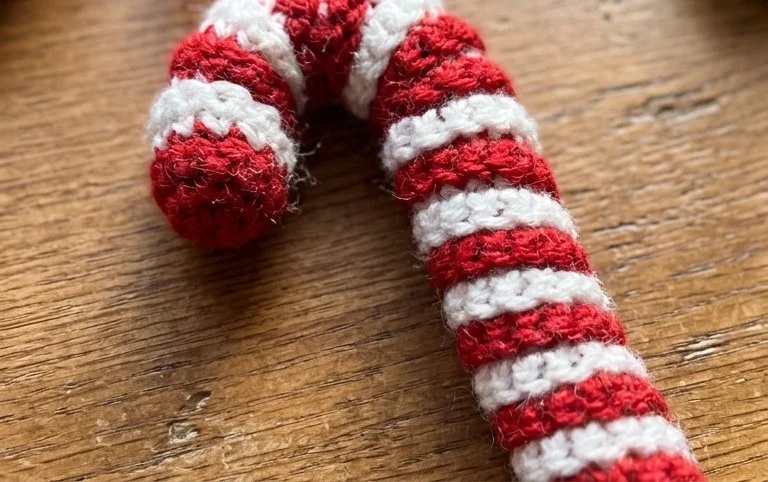
Your finished dishcloth will look lovely tied with a bit of twine and a sprig of dried rosemary as a small housewarming gift. If you want to experiment, try using a variegated yarn in red and white to create a candy cane stripe effect that looks bright against a granite countertop. Please post a photo of your work on your favorite social media site so I can see how your colors turned out. You can find more free patterns for handmade home goods right here on the blog.