Easy Crochet Baby Booties: Free Pattern for Beginners
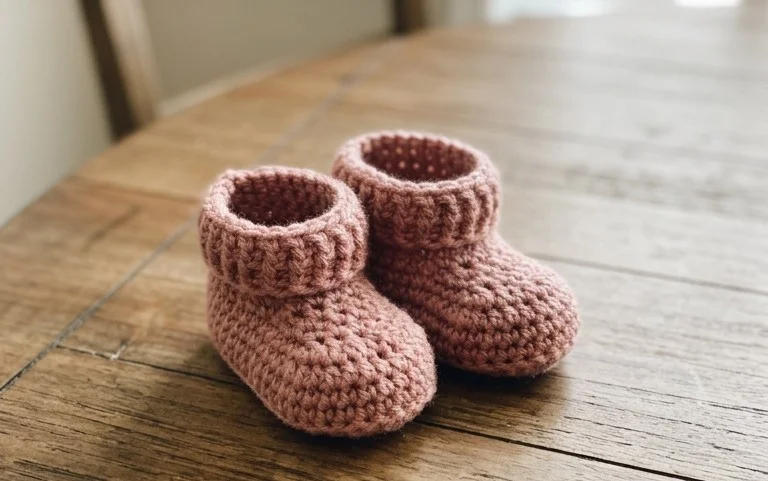
Soft acrylic yarn gives these baby shoes a gentle feel against sensitive skin while the double-thick cuff keeps them firmly on active feet. These items rely on basic stitches, so they provide a relaxing rhythm for your hands as you build up the shape. You will find that the construction feels intuitive once you complete the first few rows of the sole. Beginners often appreciate how these build quickly, making them a reliable choice for a last-minute baby shower gift. Working through this guide, you will master the simple technique for shaping a rounded heel and securing the cozy fold-over ankle section.
Why You’ll Love This Pattern
This classic crochet dishcloth is designed using a simple textured stitch pattern that scrubs effectively without being too abrasive for delicate glassware. It works up quickly in just under an hour, making it an ideal project for using up small amounts of leftover cotton yarn from larger home decor items. Because the stitch pattern uses basic single and double crochet stitches, it is highly meditative and perfect for crocheting while catching up on your favorite television series.
I managed to finish three of these for a housewarming gift in one weekend. The texture is perfect for scrubbing, and they hold up beautifully even after many trips through the laundry.
— Sarah, home crafter
Pattern Overview & Skill Level
- Skill Level: Beginner
- Approximate Time: 45–60 minutes
- Construction: Worked flat in rows starting from a foundation chain
- Finished Dimensions: 8 inches by 8 inches
Materials & Supplies Needed
- Yarn: Worsted weight (#4) 100% cotton yarn, approximately 50 yards per cloth. Cotton is essential for its absorbency and heat resistance.
- Hook Size: 5.0 mm (H-8) crochet hook.
- Notions: Tapestry needle for weaving in ends and scissors.
- Yarn Substitutions: You can use a cotton-acrylic blend for a softer feel, though this will slightly reduce the absorbency compared to 100% cotton. Avoid wool, as it will felt during the frequent washing required for kitchen items.
Stitch Guide & Abbreviations (US Terms)
- ch: chain
- sc: single crochet
- dc: double crochet
- st(s): stitch(es)
- sk: skip
- turn: turn your work to begin the next row
Step-by-Step Pattern Instructions
Main Body
- Foundation: Ch 31.
- Row 1: Sc in the second ch from hook and in each ch across. (30 sts)
- Row 2: Ch 1, turn. Sc in first st, *dc in next st, sc in next st; repeat from * across to the end of the row. (30 sts)
- Row 3: Ch 1, turn. Sc in first st, *dc in next st, sc in next st; repeat from * across. (30 sts)
- Rows 4–30: Repeat Row 3 until the piece forms an 8-inch square. (30 sts)
Finishing
Once you reach the desired length, fasten off your yarn, leaving a 6-inch tail. Use your tapestry needle to weave the tail back into the stitches of the last row on the back side of the cloth. Trim the remaining excess yarn close to the fabric to ensure it does not snag during use.
Care & Washing Instructions
- Machine wash your dishcloths on a hot cycle with like colors to sanitize them after heavy kitchen use.
- Tumble dry on low heat or lay flat on a drying rack to prevent the cotton fibers from becoming overly stiff.
- Reshape the square by pulling gently on the corners while it is damp to ensure it remains flat after drying.
Pro Tips & Common Mistakes to Avoid
- Maintain consistent tension throughout the project. If your stitches look too loose, your dishcloth will stretch out of shape quickly; if they are too tight, the fabric will be stiff and lose its scrubbing utility.
- Place a stitch marker in the first stitch of every row to ensure you are not accidentally dropping stitches at the edges, which would lead to a skewed, trapezoid-shaped cloth.
- Weave your ends in multiple directions—up, down, and across—to lock the yarn securely in place, as dishcloths undergo significant agitation during washing and scrubbing.
- Adjust the size of the dishcloth by changing the initial chain count to an odd number; however, keep in mind that larger cloths require more yarn and will take significantly longer to dry between uses.
Frequently Asked Questions
Can I use a larger hook for this pattern?
Yes, using a larger hook will make the fabric drape more loosely and increase the speed of the project. Note that this will also increase the finished size and require slightly more yarn to reach the same dimensions.
Is it okay to sell the finished dishcloths I make from this pattern?
You are welcome to sell finished items created from this pattern. Please credit the designer when listing your items online and use your own original photographs for your product listings.
Why does my dishcloth have gaps or holes?
Gaps usually occur if the tension is too loose or the hook size is too large for the specific yarn weight being used. Try switching to a smaller hook size or tightening your yarn tension to create a denser, more functional fabric.
How do I make the dishcloth thicker?
You can hold two strands of yarn together while working with a larger hook, such as a 6.0 mm (J-10) size. This will create a heavy-duty, thicker cloth, though it will consume twice the amount of yarn listed in the materials section.
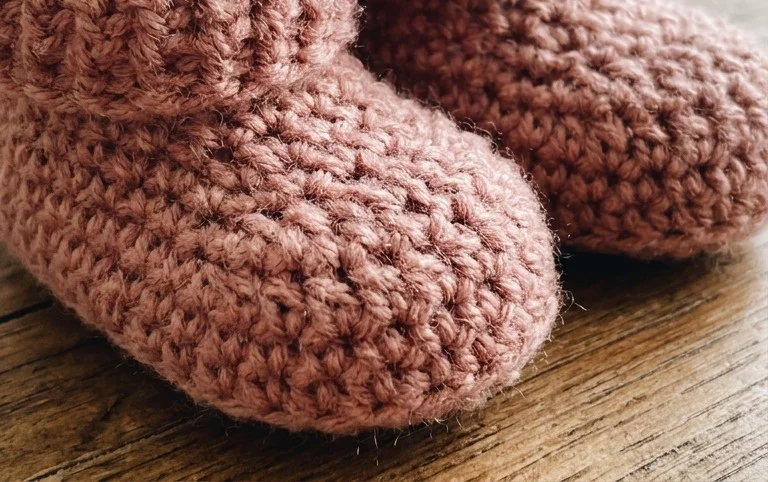
These tiny shoes look beautiful wrapped in tissue paper or placed inside a handmade gift basket. You might try substituting a soft cotton-bamboo blend for a summer baby to keep the fabric breathable and light. Many makers enjoy switching to a variegated yarn for a playful pop of color that requires no extra effort. Feel free to snap a photo of your finished work and share it on your favorite social media platforms. I hope you enjoy exploring more simple crochet projects on the blog for your future crafting sessions.