11 Free Autumn Leaf Quilt Patterns to Make This Fall
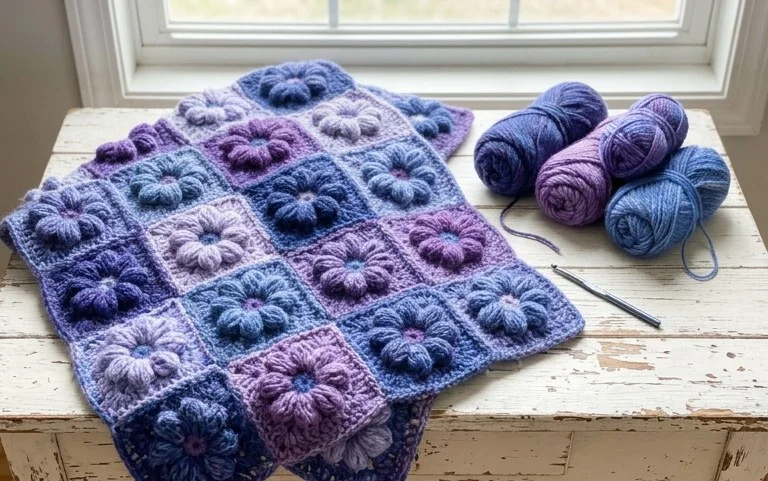
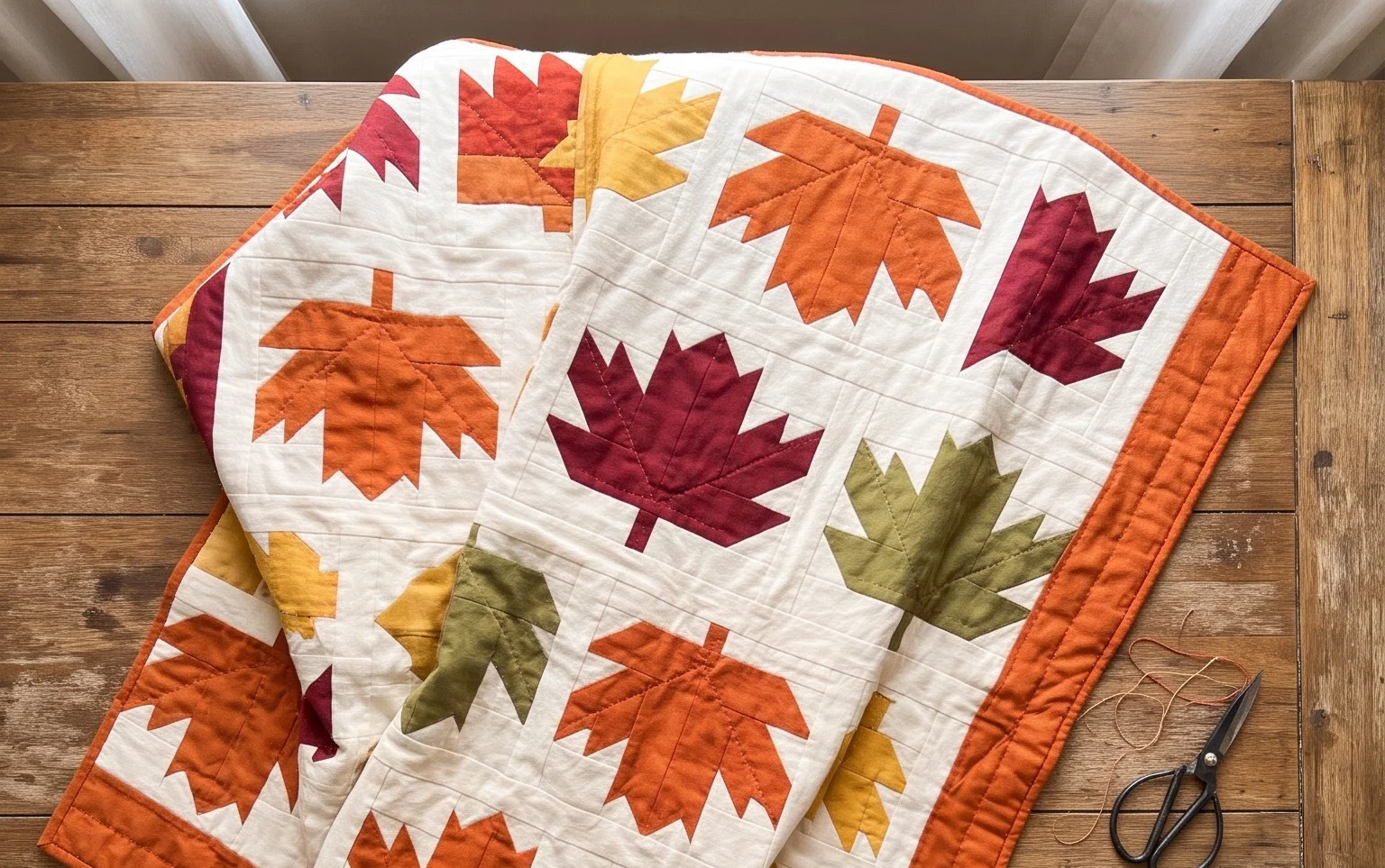
Rust, ochre, and olive leaf motifs bring the look of an autumn canopy to a cozy quilt-style crochet project. These patterns give you room to arrange simple squares into a throw, wall hanging, or seasonal accent for a favorite chair. They suit beginners ready to practice steady stitches as well as gift makers who enjoy choosing colors and assembling pieces one at a time. The finished fabric has a warm, textured feel, and each leaf block offers a manageable bit of progress rather than one long stretch of the same work. As you browse, you’ll find ideas for building leaf shapes with crochet stitches, changing colors cleanly, and joining blocks so the edges sit neatly together. Pick a small design to start, or plan a larger project for crisp fall evenings.
Why You’ll Love This Pattern
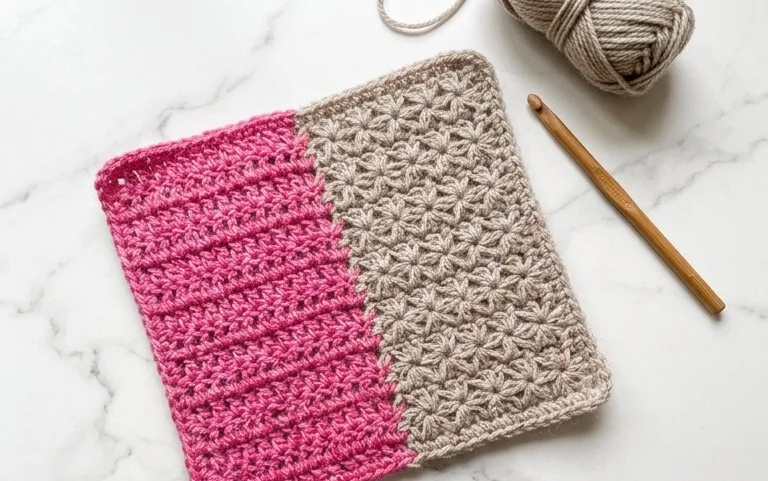
A firm cotton fabric and simple single crochet make this dishcloth useful for wiping counters, washing dishes, or keeping beside the sink. The pattern is worked flat in rows, so you do not need to join rounds or manage shaping.
It is a practical first project for learning to count stitches and keep the edges straight. The repeat stays the same from beginning to end, and one cloth takes about two to three hours, depending on your pace. A single skein can make several cloths, which makes the pattern handy for using leftover cotton or putting together a small handmade gift.
I finished mine in an evening, and the rows were easy to keep track of. The cotton feels sturdy after washing.
— Maya, beginner crocheter
Pattern Overview & Skill Level
- Skill Level: Beginner. You need to chain, single crochet, turn, and count stitches.
- Approximate Time: Two to three hours for one dishcloth.
- Construction: A flat square worked back and forth in single crochet rows, then fastened off and woven in.
- Finished Dimensions & Sizing: About 8 × 8 inches (20 × 20 cm), after washing and drying flat. The measurement depends on your tension.
Materials & Supplies Needed
- Yarn: About 80 yards (73 m) of medium-weight worsted #4, 100% cotton yarn. One color is enough; choose a smooth, tightly spun yarn that can handle frequent washing.
- Hook Size: 5.0 mm / H-8 crochet hook.
- Notions: Tapestry needle for weaving in the ends, scissors, and a ruler or measuring tape. A stitch marker is optional for marking the first stitch of a row.
- Substitutions: A different worsted-weight cotton is the closest match. Cotton-linen blends can also work, though the fabric may feel less soft. Avoid fuzzy yarns because they make the stitches harder to see. Thicker or thinner yarn changes the finished size and may need a different hook; check the fabric as you work and expect yardage to vary.
With the listed yarn and hook, aim for a gauge of 14 single crochet stitches and 16 rows measuring 4 inches (10 cm). The cloth should feel firm enough to scrub without being stiff. If your swatch is wider than 4 inches, try a smaller hook; if it is narrower, try a larger one.
Stitch Guide & Abbreviations (US Terms)
- ch: chain.
- sc: single crochet. Insert the hook in the stitch, yarn over and pull up a loop, yarn over again, then pull through both loops.
- st: stitch.
- sts: stitches.
- turn: Rotate the work so you can crochet back across the row you just made.
The turning chain does not count as a stitch in this pattern. Work the first single crochet into the first stitch at the edge of each row, not into the turning chain.
Step-by-Step Pattern Instructions
Dishcloth
- Foundation: Ch 29. This chain forms the base edge; keep it loose enough to work into comfortably.
- Row 1: Sc in the second ch from the hook and in each ch across. Turn. (28 sts)
- Rows 2–32: Ch 1, sc in each st across, then turn. Work 31 rows in total in this repeat; each row has 28 sts (28 sts per row).
- Finishing: After Row 32, fasten off, leaving a tail about 6 inches (15 cm) long. Thread the tail onto a tapestry needle and weave it through the stitches on the wrong side. Weave in the starting tail the same way. Trim the ends close without cutting into the fabric.
Lay the cloth flat and measure it. If it is slightly wider or taller than 8 inches, that is usually a tension difference rather than a problem. Wash and dry it according to the yarn label before using it; cotton can relax and soften after its first wash.
Care & Washing Instructions
- For 100% cotton yarn, machine-wash with like colors in warm water, up to 40°C (104°F), unless the yarn label recommends a cooler setting.
- Tumble-dry on low or lay the dishcloth flat to air-dry; reshape it while damp.
- Pin or smooth the edges flat if they curl after washing. Follow the yarn label if you use a cotton blend or another fiber.
Pro Tips & Common Mistakes to Avoid
- Keep the foundation chain relaxed. A tight chain can pull the first edge inward; if it is difficult to insert your hook, remake it with a larger hook just for the chain.
- Count 28 stitches at the end of every row. Place a marker in the first stitch if the edge stitches are hard to see, and move it up as you work.
- At each row end, make the last single crochet into the final actual stitch, not the turning chain. Missing that stitch makes the cloth narrower over time.
- For a wider or taller cloth, add about 7 foundation chains and 8 rows for each extra 2 inches at the stated gauge. A larger cloth uses more yarn, so have extra cotton on hand; a smaller cloth uses less.
Frequently Asked Questions
Can I use acrylic yarn instead of cotton?
You can, but acrylic may not absorb water as well and can feel different when used for washing dishes. For a cloth that needs to soak up spills, cotton is the better choice. Check the care instructions for your chosen yarn before washing.
How can I make the dishcloth smaller or larger?
At the stated gauge, about 7 stitches and 8 rows equal 2 inches. Add or remove chains to change the width, then add or remove rows to change the height. Keep the row stitch count consistent, and allow for more or less yarn as the dimensions change.
Is this a good first crochet project?
Yes. The pattern uses only chains and single crochet, with no shaping or joining. The main challenge is keeping 28 stitches in every row, so count before turning rather than waiting until the end of the cloth.
May I sell dishcloths made from this pattern?
Check the designer’s terms before selling finished items, especially if you found the pattern on a website or in a publication. If sales are permitted, write your own product description and do not claim the pattern itself as your design.
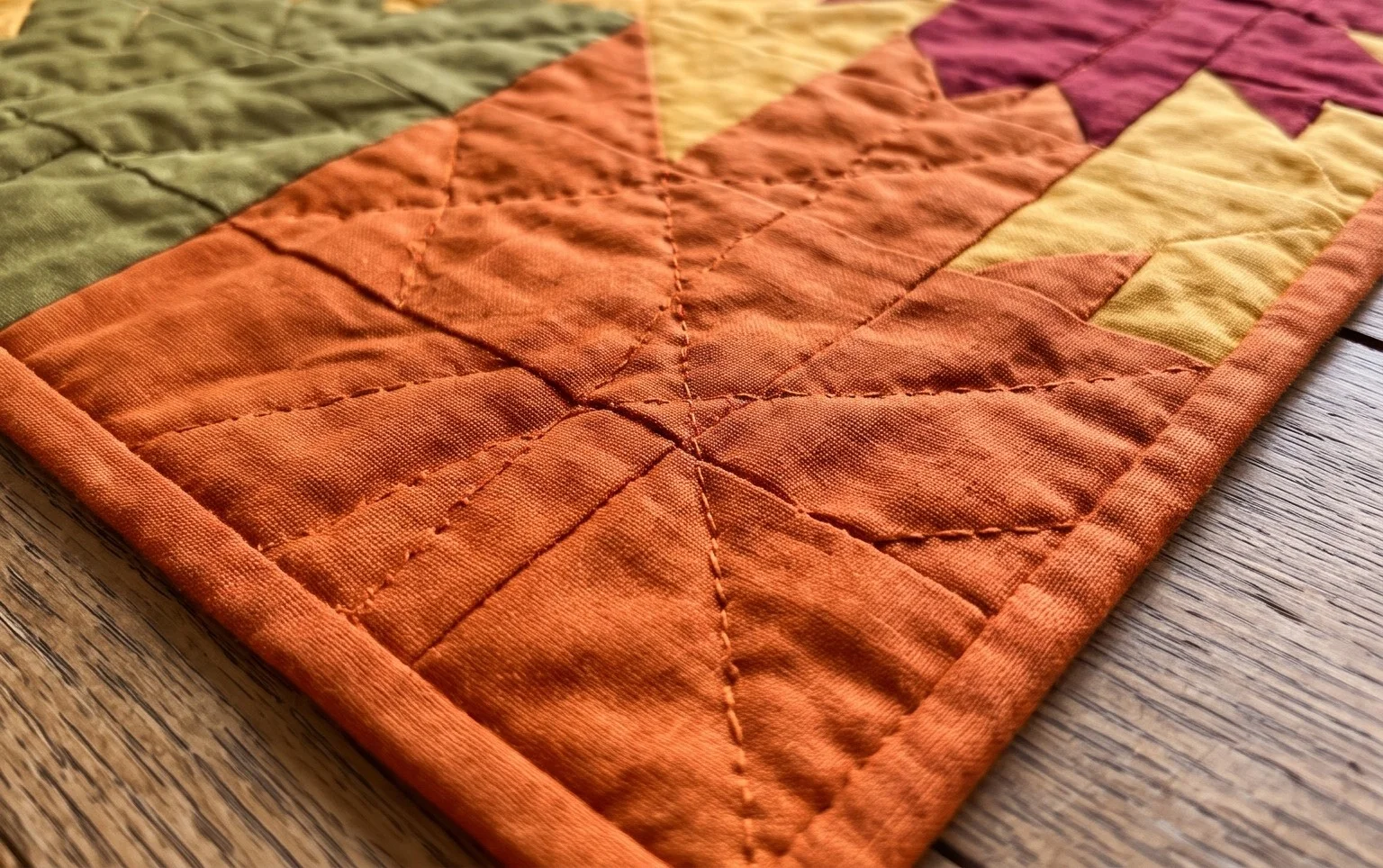
A row of autumn leaves in rust, gold, and deep green gives your finished quilt-style crochet project a welcoming seasonal touch, whether it rests on a sofa or brightens a wall. For a simple variation, swap one shade for cream or muted blue to change the mood without altering the pattern. Take a photo of your finished blocks or blanket and share it on Pinterest or your favorite social page; seeing how other makers arrange their colors is part of the fun. If you enjoyed working with leaf shapes, explore more free crochet patterns on the blog for your next relaxing project. You can also keep the same colors and make a smaller piece, such as a cushion cover or table accent, using fewer blocks.